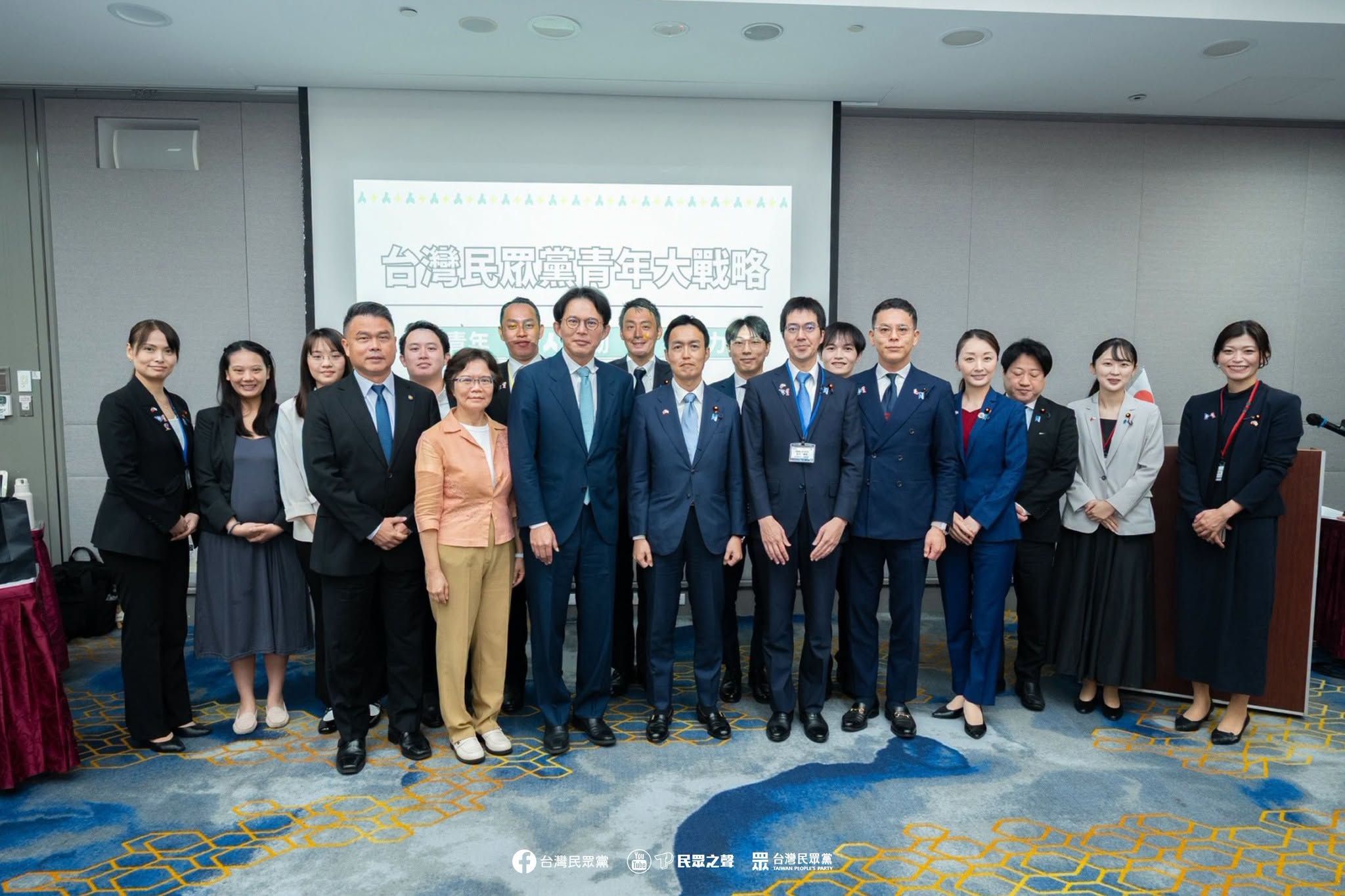



本日は、自民党青年局海外研修団の皆様を台湾民衆党にお迎えしました。
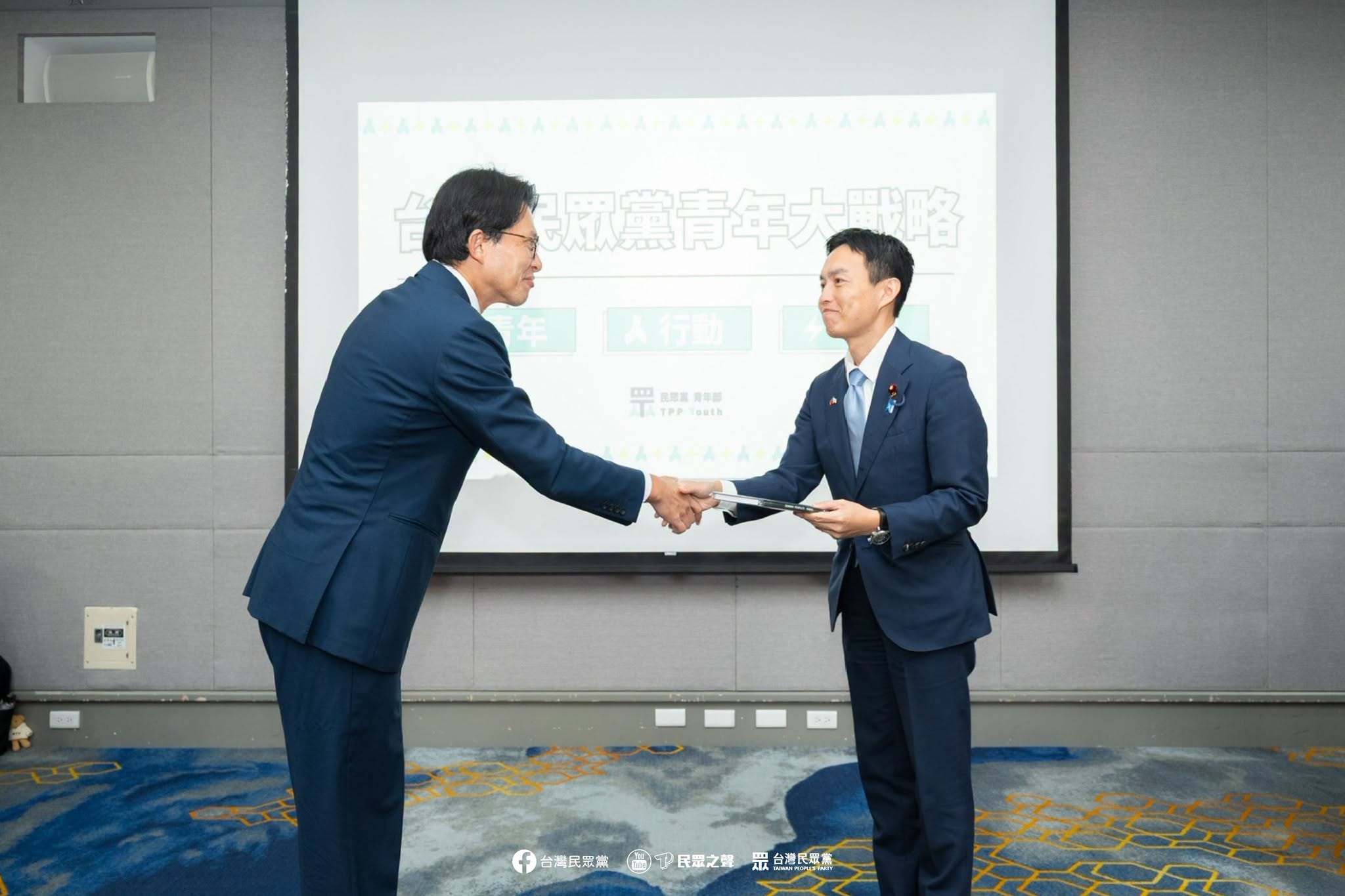
本日は、自民党青年局海外研修団の皆様を台湾民衆党にお迎えしました。
黄国昌主席と平沼正二郎青年局長は、台日関係、若者の政治参加、人材育成、SNSを活用した政策発信、両岸関係などについて率直に意見を交わし、大変有意義な交流となりました。
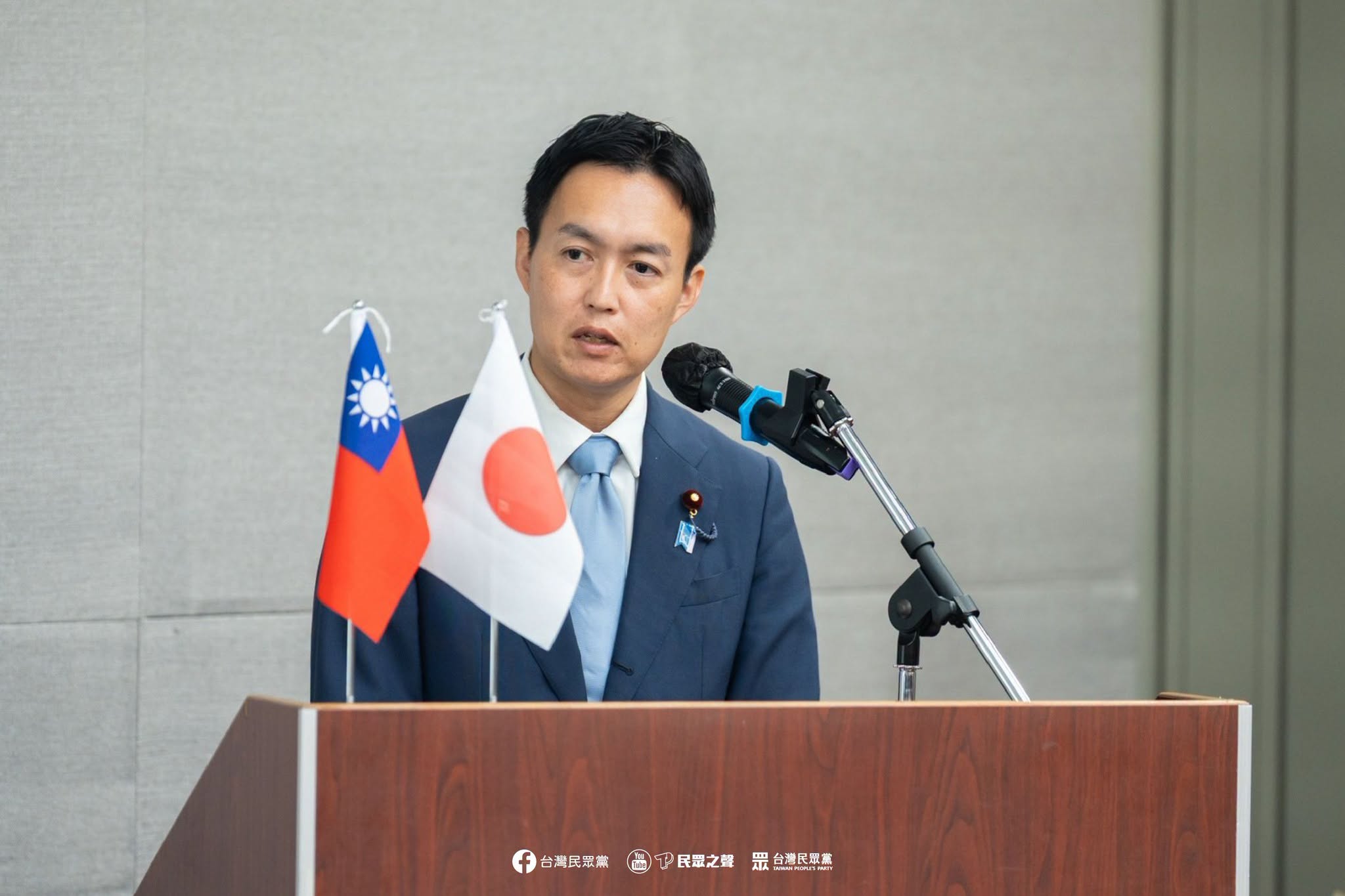
国家ガバナンス学院は、「戦略」「戦術」「戦闘」という三つの層から台湾民衆党の青年大戦略についてご紹介しました。今後も自民党の皆様と青年問題についてより幅広い交流を継続できればと存じます。
Taiwan-Japan friendship is not only about carrying forward the bonds built by previous generations, but also about working together to address the challenges facing the next generation.
Today, Japanese LDP Youth Division Director and House of Representatives Member Shojiro Hiranuma led a delegation of 85 young participants on a visit to the Taiwan People’s Party. Together with Chairman KC Huang, Legislator Liu Shu-bin, Councilor Chang Chih-hao, and colleagues from the TPP’s Foreign affairs and TPP Youth Wing, the delegation engaged in in-depth discussions on youth political participation, talent development, declining birthrates, disaster preparedness, and cross-Strait relations.
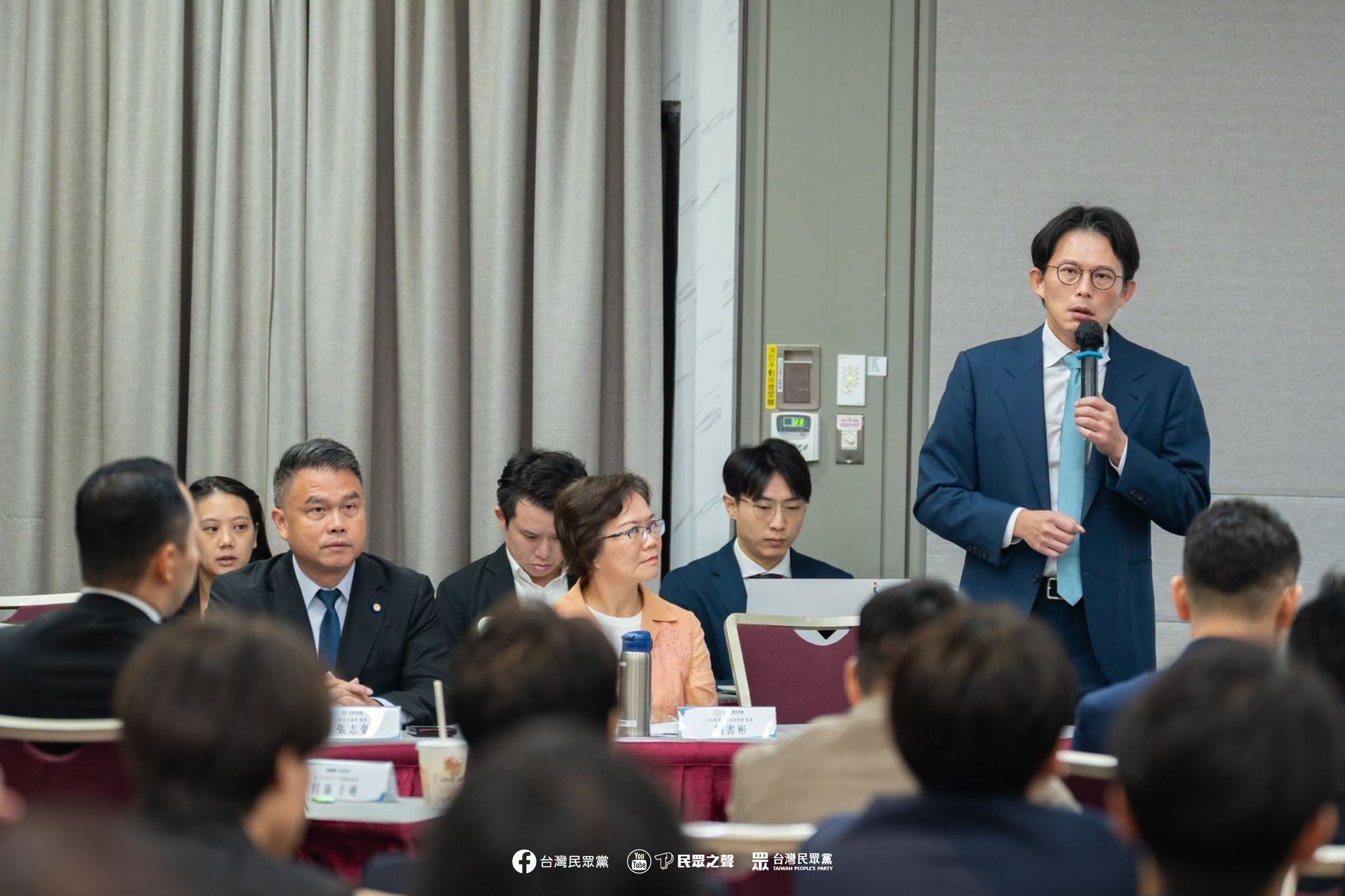
Chairman Huang noted that Taiwan and Japan have long maintained close ties across politics, economics, culture, and education. When a TPP youth delegation visited Japan last year, it received a warm welcome from the LDP Youth Division. He expressed hope that the two parties will continue to deepen their exchanges and work together to develop concrete solutions to the challenges facing younger generations.
Director Hiranuma also spoke about the significance of visiting the TPP. Although the LDP won many seats in the recent House of Representatives election, he acknowledged that it could not be described as a party enjoying particularly strong support among young Japanese voters. For that reason, the LDP is especially interested in how the TPP communicates with young people, cultivates political talent, and creates genuine pathways for youth to enter politics.
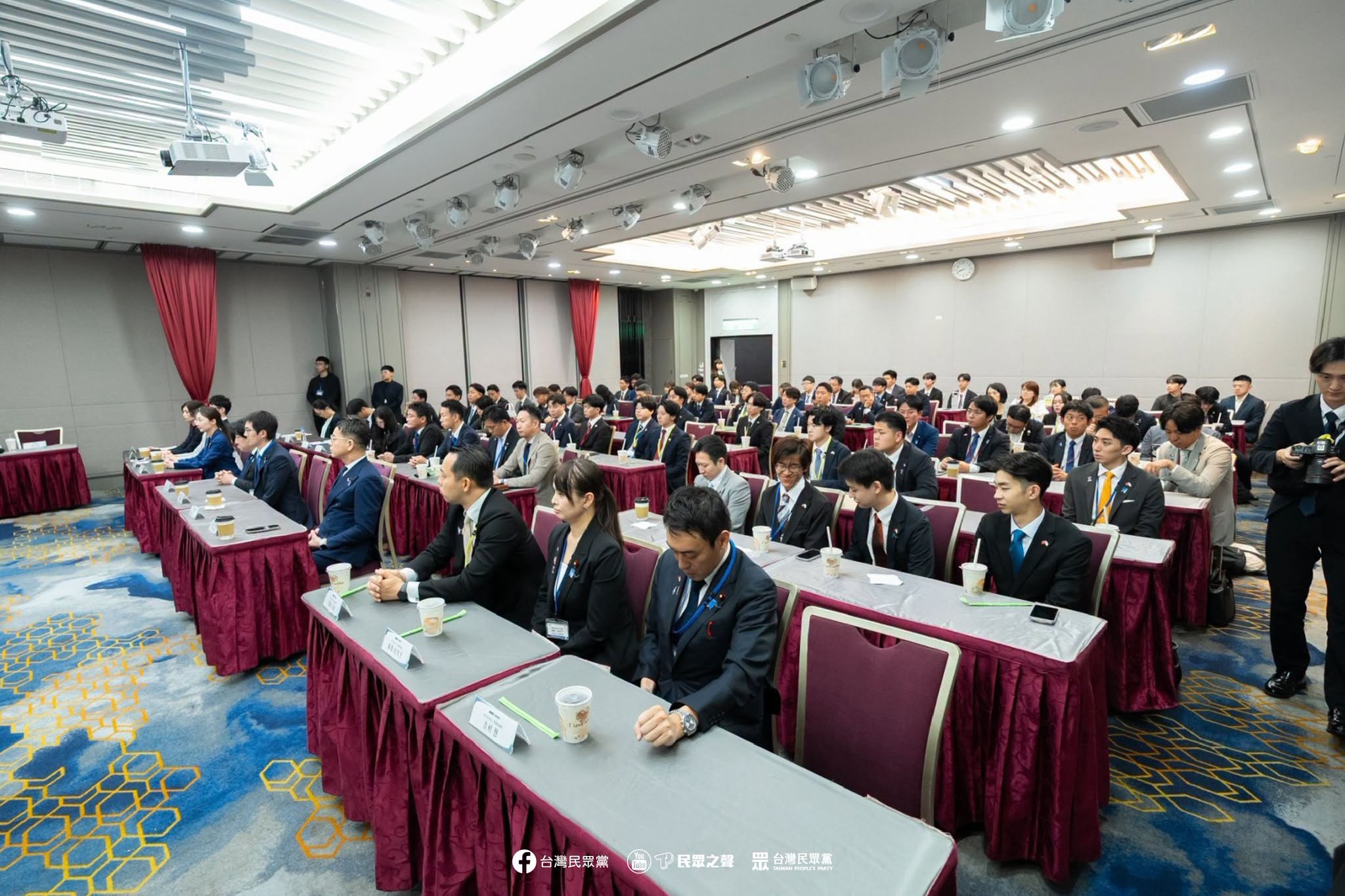
Chairman Huang emphasized that political participation among young people in Taiwan is the result of years of accumulated civic engagement. The TPP’s responsibility, he said, is to transform that energy into institutional reform and political change, enabling young people not only to care about politics, but also to participate in decision-making and help reshape politics itself.
Politics requires expertise, but expertise must not become a language that ordinary people cannot understand. The real challenge for political leaders is to respond to problems professionally while also explaining complex policies clearly enough for more people to understand them and take part in public affairs.
During the exchange, the Director of the TPP Youth Department used Doraemon, familiar to our Japanese friends, as a vivid analogy for how young Taiwanese view cross-Strait relations: when facing Gian, Nobita sometimes needs help from his friends, but he must also rely on his own wisdom and strength. Young people in Taiwan value freedom and democracy and do not want unification with China. At the same time, they believe that, while firmly upholding Taiwan’s autonomy, channels for exchange and dialogue should remain open in order to reduce miscalculation and conflict.
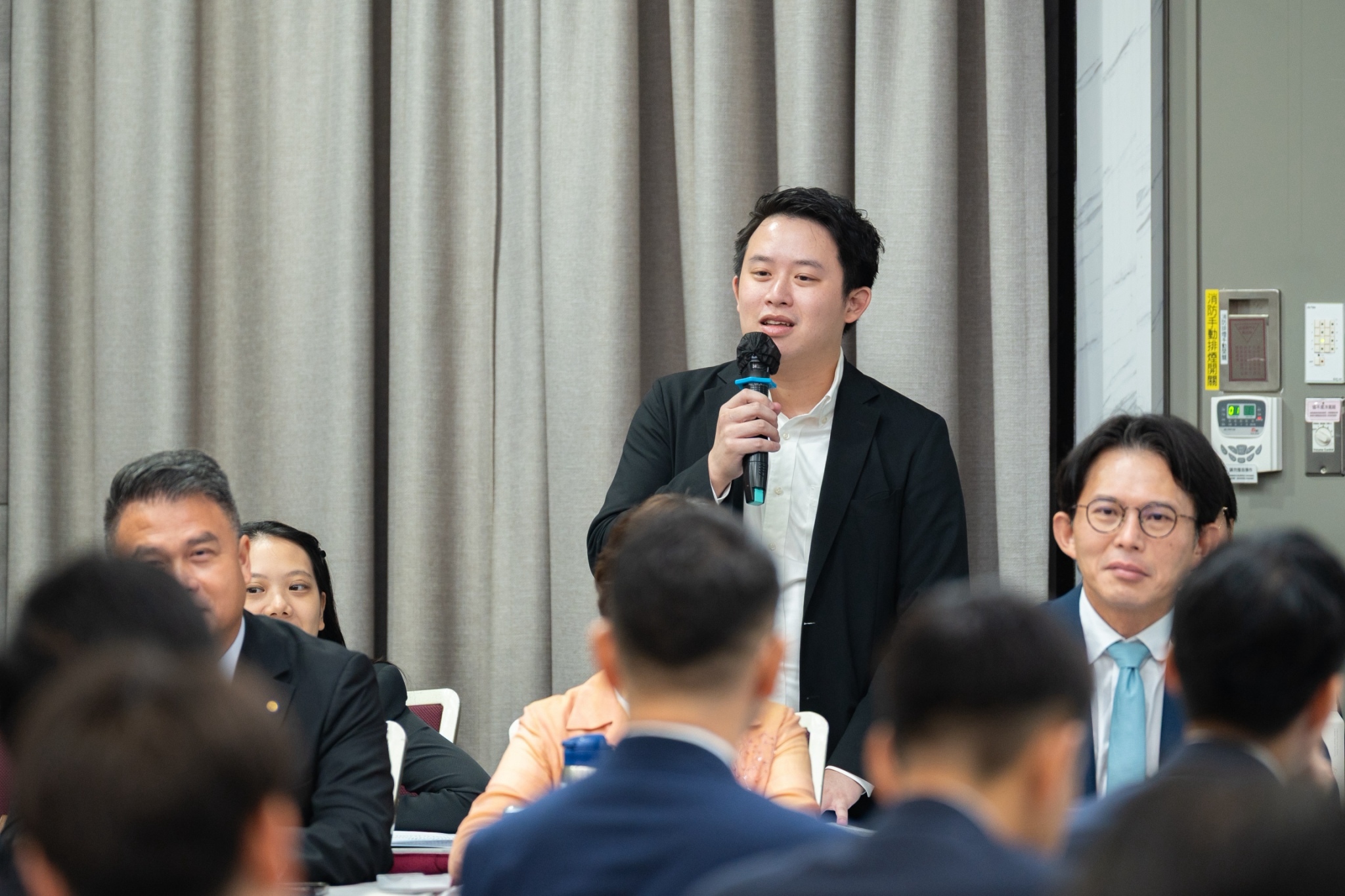
Taiwan and Japan face not only shared regional security challenges, but also generational issues such as declining birthrates, population concentration, anxiety among young people, and political participation. Taiwan-Japan friendship should be more than a bond inherited from the previous generation; it should become a force that enables the next generation to solve problems together.
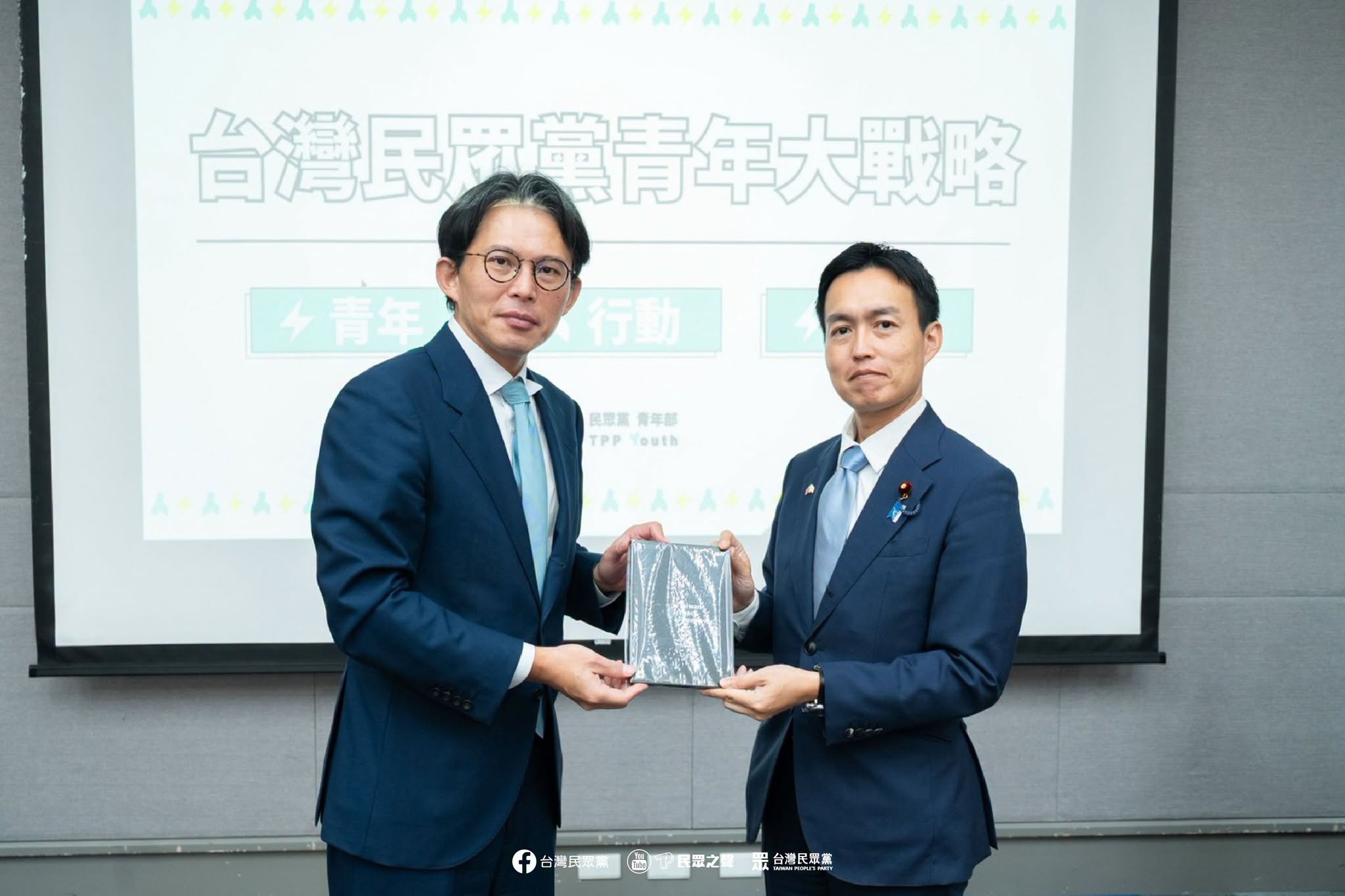
Bring young people into politics, and make politics truly respond to their future.